When people talk about crappie fishing in South Carolina, the Santee Cooper lakes come up fast — and for good reason. Lake Moultrie and Lake Marion hold healthy numbers of slab crappie, and as summer fades into fall, the bite gets better and the fish get easier to pattern. If you have been catfishing all summer and want a change of pace, fall crappie is a fun, family-friendly way to keep the cooler full. Here’s how to find and catch them on the Santee Cooper system, and how to set up your day out of Hidden Cove Marina.
Why fall is prime crappie time on Santee Cooper
Through the heat of summer, crappie tend to hold deep and scatter. As the water cools in the fall, they group back up and move toward more predictable cover, feeding hard to put on weight before winter. That combination — schooled-up fish that are actively eating — is what makes fall one of the best windows of the year to target crappie on Lake Moultrie and Lake Marion. Start seeding your spots now, and you’ll be ready when the cooler nights kick the bite into gear.
As always, a South Carolina freshwater fishing license is required and crappie limits can change, so check the current rules with the SC Department of Natural Resources before you go.
Where to find crappie on Lake Moultrie and Marion
Crappie relate to cover, so that is where you start. On the Santee Cooper lakes, focus on:
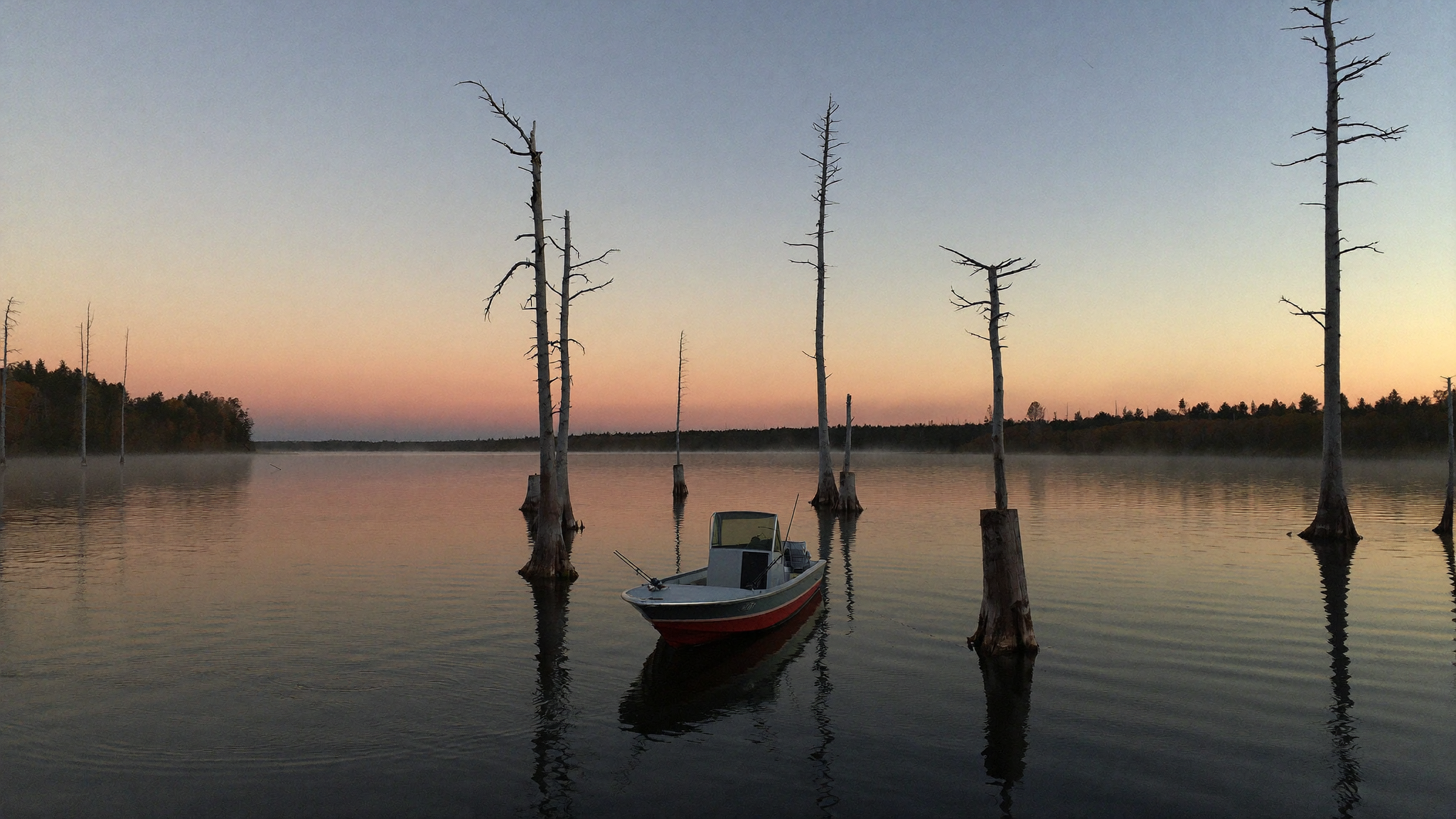
- Brush piles and standing timber. Lake Marion’s flooded timber is legendary, and both lakes hold brush that crappie stack on. Sunken cover near deeper water is a classic fall producer.
- Ledges and drop-offs. Fish work the edges between shallow flats and deeper channels as they move.
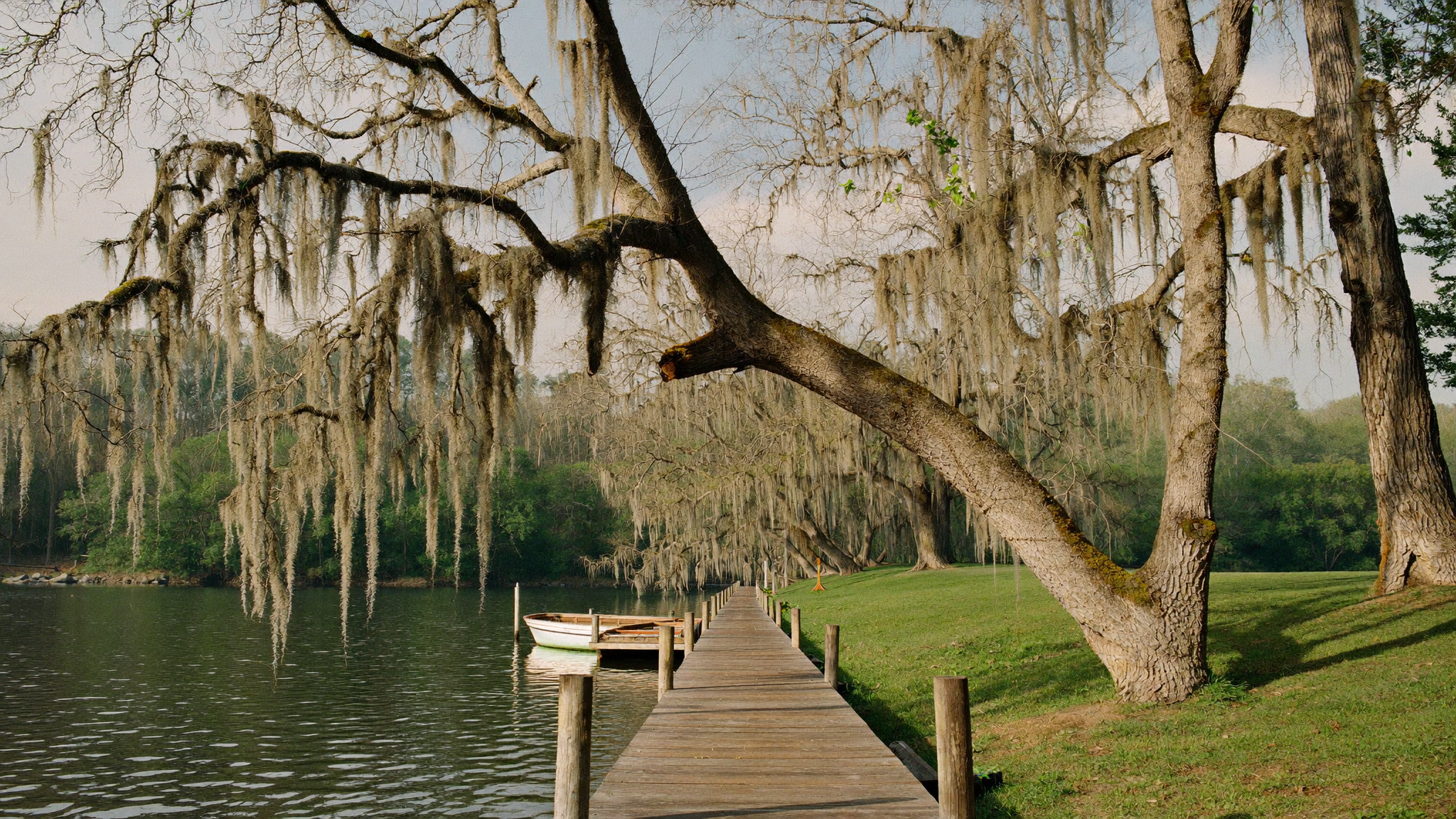
- Docks and bridge pilings. Man-made structure gives crappie shade and ambush points, especially on bright days.
Electronics help you fish efficiently, but you can catch fish the old-fashioned way too — pick apart obvious cover and pay attention to the depth where you get bit, then repeat it.
Baits and rigs that catch crappie
Crappie fishing keeps it simple, which is part of the appeal.
- Live minnows. Hard to beat. Fish them under a float over cover or on a small jig head. When the bite is tough, minnows shine.
- Jigs. A 1/16- or 1/32-ounce jig in a natural or bright color covers water and lets you dial in depth. Tip it with a minnow when you want the best of both.
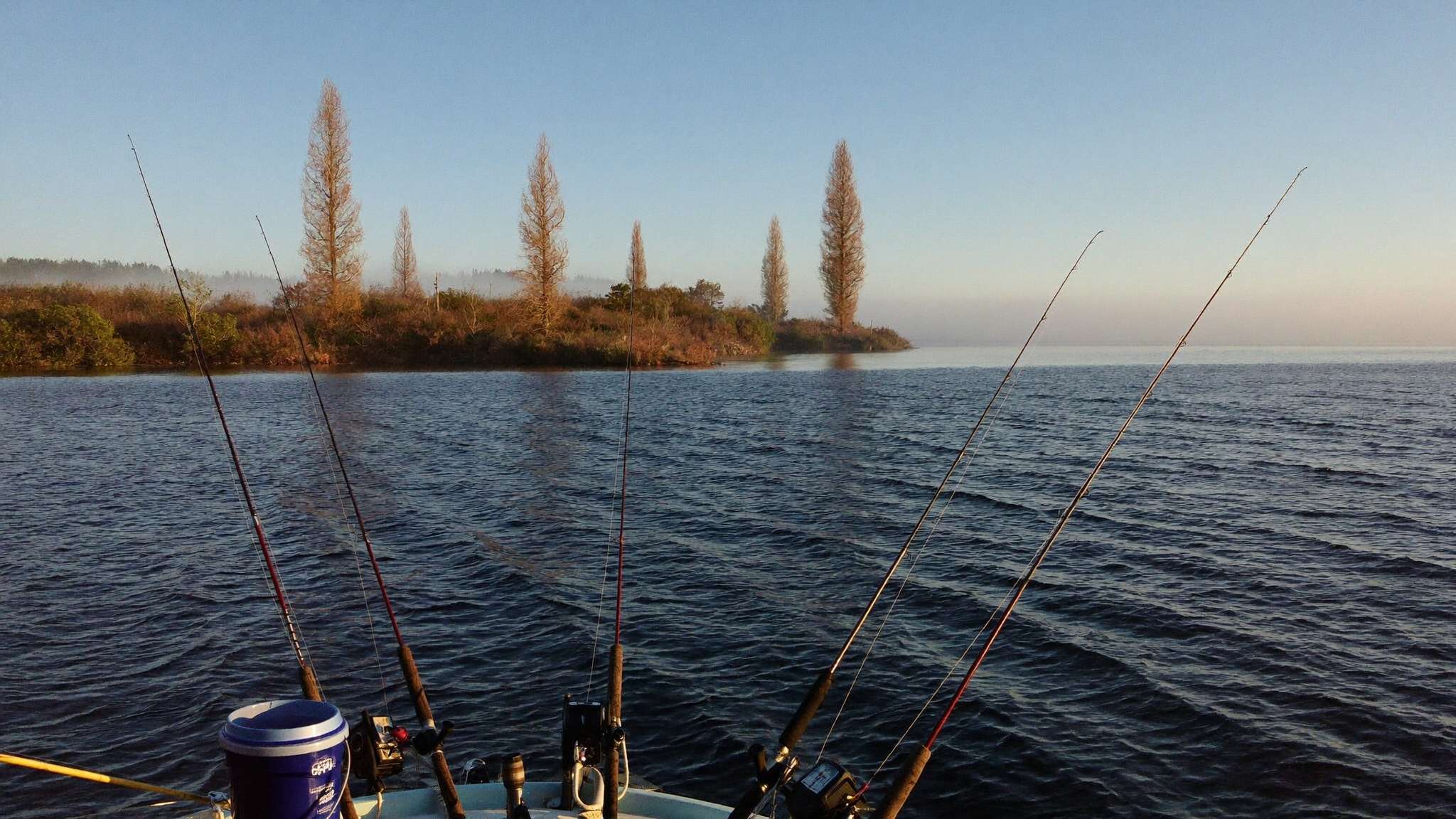
- Spider rigging. Fanning several rods off the front of the boat lets you troll multiple baits at set depths — a proven Santee Cooper method for locating scattered schools.
You can grab jig heads, hooks, floats, and light line at the Ship’s Store before you launch, so a forgotten box of tackle never ends your day early.
Tips for a good fall crappie day
- Fish the cooler ends of the day. Mornings and evenings often bring the most active fish, though fall’s milder temperatures spread the bite out.
- Match your depth. Once you catch one, note the depth and cover type — crappie school, so the next fish is usually holding just like it.
- Go light. Light line and small baits get more bites, especially on pressured fish.
- Bring the kids. Crappie fishing is forgiving and full of action, which makes it a great way to get families on the water.
Launch and gear up at Hidden Cove
Hidden Cove Marina puts you right on the Cooper River with direct access to Lake Moultrie and the Santee Cooper system. Launch from our boat ramp, top off your tackle at the Ship’s Store, and you’re minutes from crappie water. If the catfish bug bites while you’re out — and it often does around here — our catfish bait and rigs guide has you covered, and warm-weather anglers can chase Santee Cooper striped bass too. See everything the marina offers on our marina services page.
Frequently asked questions
When is the best time for crappie fishing on Santee Cooper?
Fall and spring are both excellent. In fall, cooling water pulls crappie back into predictable cover and they feed heavily before winter, making it one of the most reliable windows of the year on Lake Moultrie and Lake Marion.
What’s the best bait for crappie on Lake Moultrie?
Live minnows and small jigs are the two staples. Minnows are tough to beat when the bite is slow; jigs let you cover water and find fish. Tipping a jig with a minnow combines both.
Where do crappie hold in the fall?
Look to brush piles, standing timber, ledges, and structure like docks and bridge pilings, especially near deeper water. Once you catch one, fish the same depth and cover nearby — crappie school.
Do I need a license to fish for crappie in South Carolina?
Yes, a valid South Carolina freshwater fishing license is required, and creel and size limits can change. Check current regulations with the SC Department of Natural Resources.
Fall is on the way. Grab your tackle, launch from Hidden Cove Marina, and put a few slabs in the cooler. Stop by the Ship’s Store on your way to the ramp and we’ll help you get set up.