Summer on Lake Moultrie flies by, and about the time the days start getting shorter, a lot of boaters start asking the same question: where should the boat live when it’s not on the water? If you are comparing dry stack boat storage against a wet slip, you are weighing two good options that each fit a different kind of boater. This guide breaks down how they compare on cost, convenience, and protection so you can pick the right one for how you actually use your boat around Moncks Corner and the Santee Cooper lakes.
The two ways to store a boat on Lake Moultrie
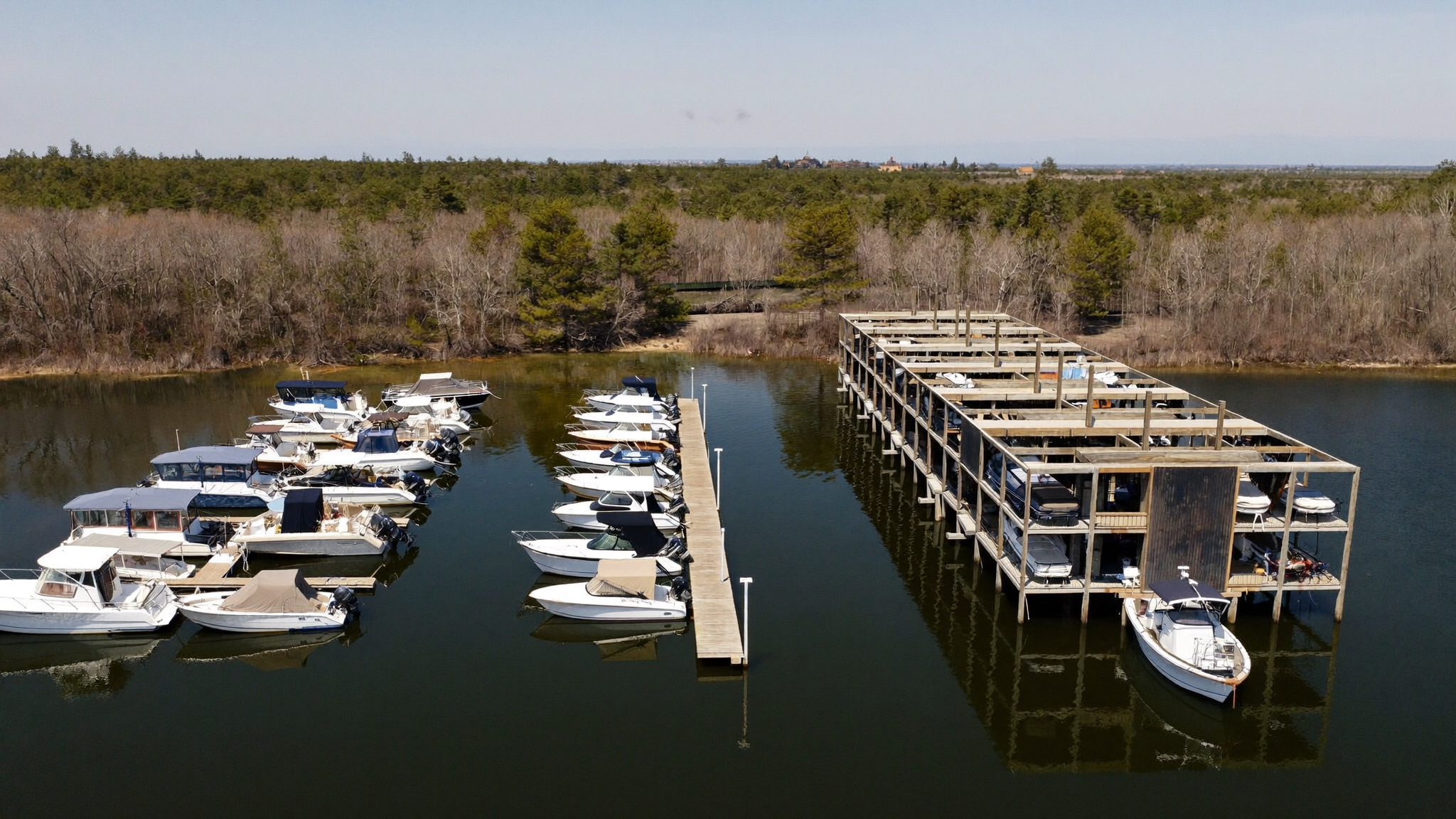
At a full-service marina, boat storage generally comes in two forms. A wet slip keeps your boat in the water, docked and ready to run. Dry storage — including dry stack racks and dry lot storage — keeps your boat out of the water between trips. Both save you the hassle of trailering back and forth, but they suit different habits and different boats.
Wet slip storage: pros and trade-offs
A wet slip is the classic marina setup, and its biggest advantage is simplicity: your boat sits in its slip, and when you want to go, you step aboard and go. There is no wait and no launch service to schedule, which is exactly what you want if you fish before dawn or run out most weekends.
- Best for: frequent boaters, anglers who launch early or often, larger boats and pontoons that are a chore to trailer.
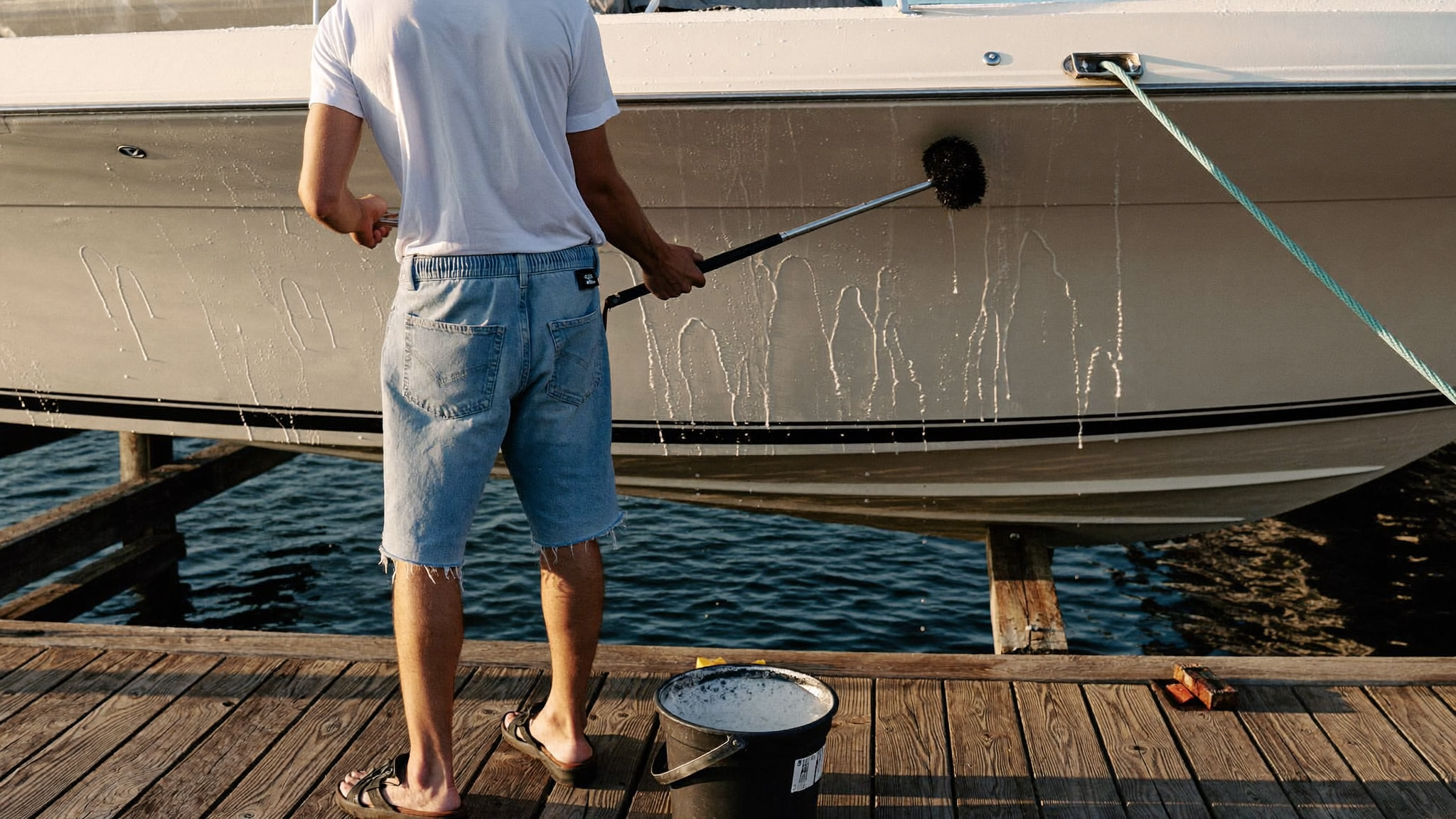
- Trade-offs: a boat kept in the water needs more attention to the hull — bottom paint and periodic cleaning — because growth and staining happen below the waterline over a season.
Dry stack and dry storage: pros and trade-offs
With dry stack boat storage, your boat is stored out of the water and launched when you’re ready to use it. Keeping the hull dry between trips is easy on the boat — less growth, less waterline staining, and often less long-term maintenance.
- Best for: boaters who go out on a predictable schedule, owners who want to protect the hull and resale value, and boats that fit the rack size.
- Trade-offs: you launch on the marina’s process rather than stepping straight aboard, so a little planning helps — though for many owners the protection is well worth it.
How to choose
There is no single right answer — the best choice comes down to four questions:
- How often do you go out? Run the boat constantly or fish at odd hours? A wet slip’s grab-and-go access is hard to beat. Head out on weekends and planned trips? Dry storage protects the boat between them.
- What kind of boat do you have? Size and type matter. Big pontoons and larger craft often live happily in a wet slip; many trailerable boats fit dry storage well.
- How much maintenance do you want to take on? Dry storage tends to mean less hull upkeep over time.
- What’s your budget? Rates vary by option and boat size. The best move is to compare current pricing for your specific boat.
If you’re new to keeping a boat on the lake, our beginner’s guide to boating on Lake Moultrie covers the basics of getting on the water, and boat landing access is worth understanding whichever way you store.
Storing your boat at Hidden Cove Marina
Hidden Cove Marina offers both wet slips and dry storage right on the Cooper River with direct access to Lake Moultrie and the Santee Cooper system — so you can pick the option that fits your boat and your routine without giving up easy access to the water. Our team can walk you through what’s available, help you match a storage type to how you boat, and give you current rates for your boat’s size. You can see the full picture on our marina services page.
One more thing worth handling while you’re thinking about storage: make sure your boat registration is current. You can confirm titling and registration details through the SC Department of Natural Resources. And once you’ve settled on storage, our end-of-summer boat care checklist will help you get the boat ready for the slower season.
Frequently asked questions
Is dry stack storage better than a wet slip?
Neither is universally better — it depends on how you boat. Dry storage keeps the hull out of the water and generally means less maintenance, which suits owners who go out on a schedule. A wet slip offers step-aboard, grab-and-go access, which suits frequent boaters and larger boats.
Does keeping a boat in a wet slip require more maintenance?
A boat kept in the water needs more attention below the waterline — bottom paint and periodic hull cleaning — because growth and staining occur over a season. Dry storage reduces that upkeep because the hull stays dry between trips.
How much does boat storage cost on Lake Moultrie?
Rates depend on the storage type and your boat’s size, so the most accurate answer comes from a current quote. Contact Hidden Cove Marina for pricing on your specific boat.
Can I store a pontoon boat at the marina?
Yes. Larger boats and pontoons often store well in a wet slip, though the right fit depends on your boat. Our team can help you match your boat to the best option.
Not sure which is right for you? Reach out to Hidden Cove Marina and we’ll help you compare wet slip and dry storage for your boat, then reserve your spot before the fall rush. Contact us to lock in your storage on Lake Moultrie.