The History of Lake Marion and Modern Marina Infrastructure
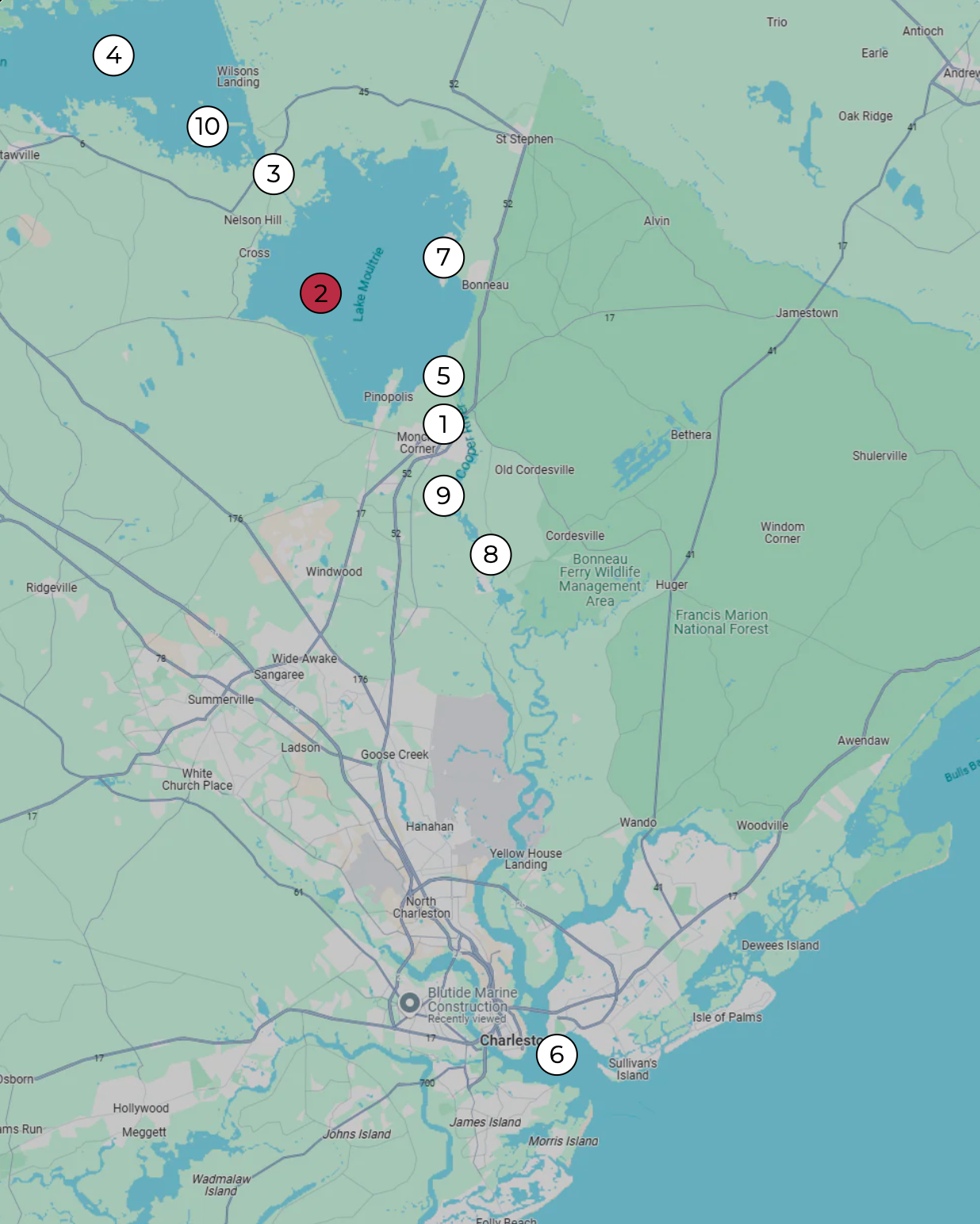
Lake Marion is not just a body of water — it is a landmark of South Carolina engineering, recreation, and regional transformation. Often referred to as South Carolina’s largest lake, it was created in the early 1940s as part of the Santee Cooper hydroelectric project. When the Santee River was dammed to produce power for rural electrification, thousands of acres were flooded, reshaping the landscape and forming what we now know as Lake Marion.
This massive infrastructure project changed the trajectory of the Lowcountry. Entire communities were relocated, farmland disappeared beneath rising waters, and new economic opportunities emerged around boating, fishing, and tourism. What began as a power-generation initiative evolved into one of the Southeast’s most beloved freshwater recreational destinations.
From Utility Project to Recreational Hub
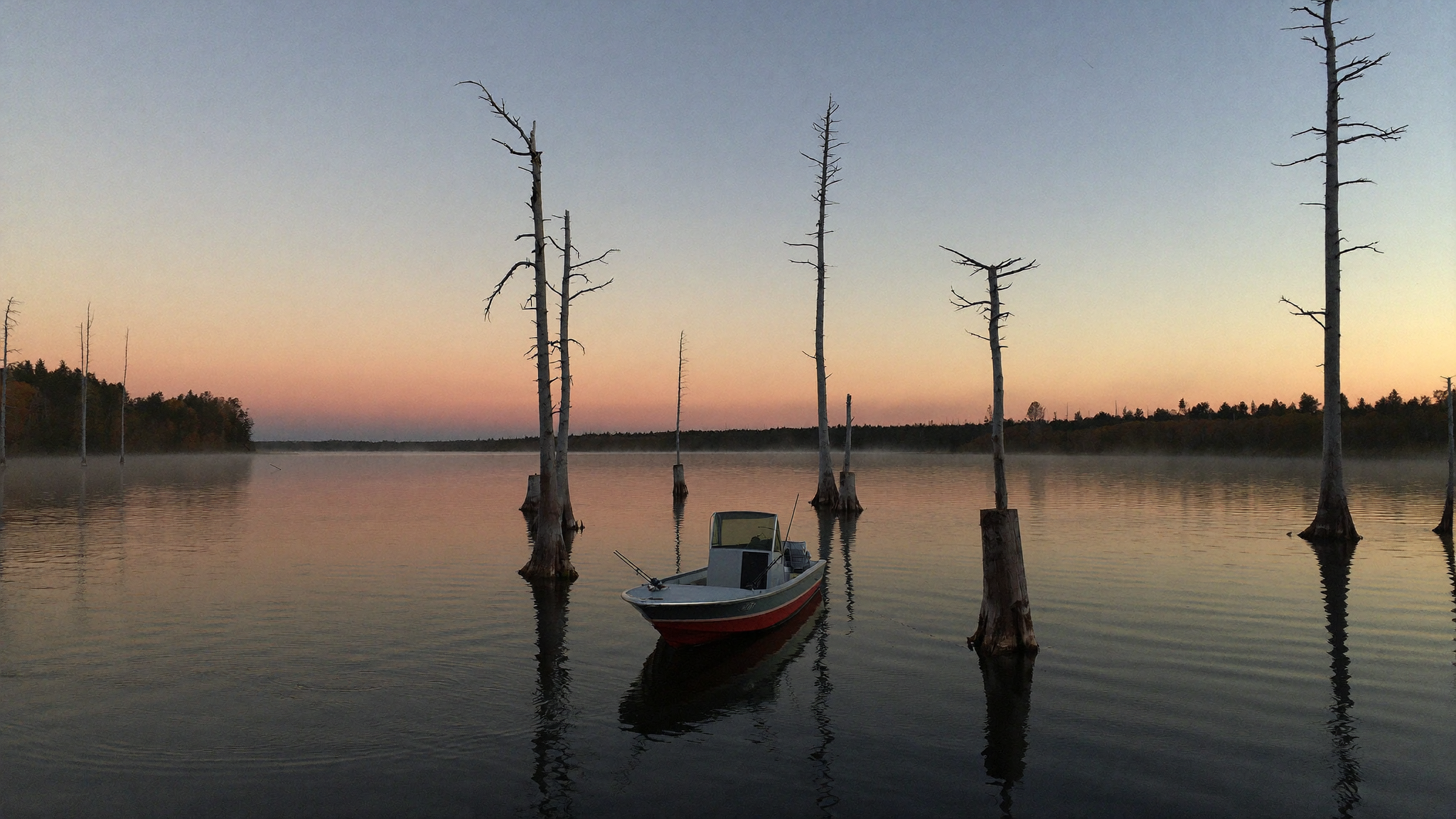
Over time, Lake Marion transitioned from a primarily industrial asset to a lifestyle destination. Anglers from across the region began traveling here for striped bass and catfish. Families launched pontoons for weekend cruising. Waterskiers and wakeboarders found wide-open water ideal for recreation.
But early boating access around the lake was informal and inconsistent. Many shoreline areas lacked structured ramps, safe docking systems, or organized storage. As boating popularity increased, so did the need for reliable marina infrastructure that prioritized safety, longevity, and environmental stewardship.
That evolution is where modern facilities like Hidden Cove Marina play a defining role.
Modern Marina Infrastructure Enhances Safety
Today’s boating environment demands more than a simple ramp and dock. Modern marina design incorporates engineered floating dock systems, controlled access points, shoreline stabilization, electrical infrastructure, and designated storage areas.
At Hidden Cove Marina, wet slips provide secure, stable mooring that reduces stress on vessels during seasonal water level fluctuations. Dry stack storage protects boats from constant water exposure, UV damage, and storm-related wear. Structured launch systems reduce congestion and improve safety during high-traffic weekends.
These advancements are not aesthetic upgrades — they directly reduce risk.
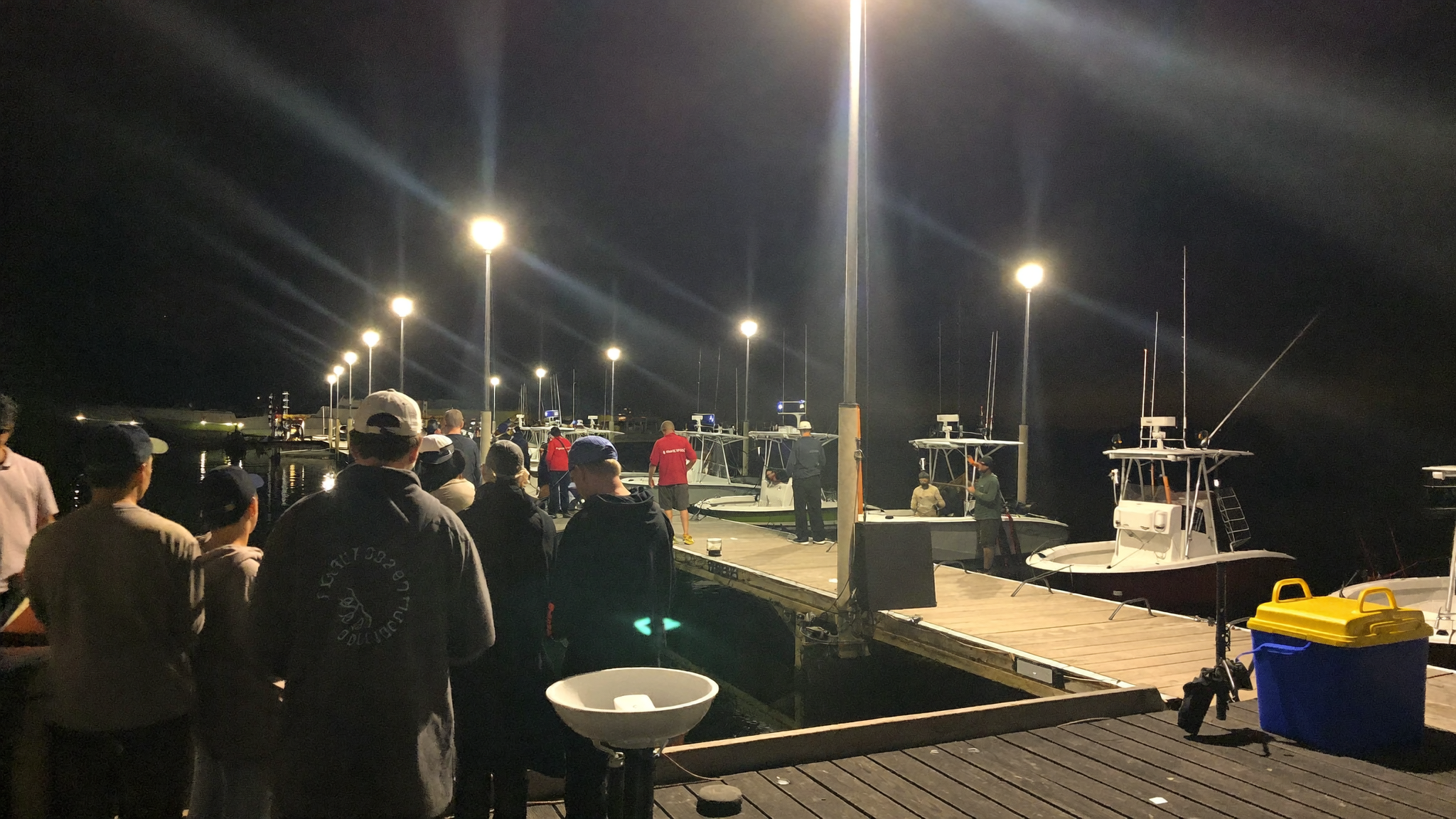
Proper dock engineering minimizes collision damage. Organized ramp access reduces trailer bottlenecks. Dedicated storage prevents shoreline erosion caused by random launch activity. Electrical hookups and lighting increase visibility and functionality during early morning departures and evening returns.
In short, modern marina infrastructure transforms Lake Marion from an open-access body of water into a managed recreational environment that supports both safety and longevity.
Accessibility for Every Type of Boater
One of the most important shifts in lake development has been accessibility. Lake Marion once required boaters to navigate informal access points and seasonal shoreline changes. Today, structured marinas provide predictable entry and exit systems.
Hidden Cove Marina offers:
• Secure wet slips
• Dry storage options
• Structured boat ramp access
• Organized parking
• Clear traffic flow
This framework removes friction from the boating experience. Instead of navigating uncertainty, boat owners can focus on time on the water.
For families new to boating, accessibility matters. For seasoned anglers launching before sunrise, efficiency matters. For retirees seeking relaxed pontoon afternoons, convenience matters.
Infrastructure directly supports lifestyle.
Preserving the Legacy of Lake Marion
Lake Marion carries historical weight. Sites such as Church Island — a remnant of pre-reservoir history — serve as reminders of the communities that once stood along the riverbanks before flooding reshaped the region.
The lake is also connected to the Santee River system, making it an important ecological and navigational corridor.
Modern marina development must respect that history. Proper shoreline management, controlled runoff, and organized boat traffic protect both water quality and structural longevity.
When infrastructure is done correctly, it preserves the lake rather than exploiting it.
The Role of Hidden Cove Marina
Hidden Cove Marina represents the evolution of Lake Marion boating. It honors the lake’s historic roots while providing the modern systems today’s boat owners expect.
This balance — history and infrastructure, legacy and innovation — defines what boating on Lake Marion has become.
What began as a hydroelectric initiative under Santee Cooper has matured into a refined recreational ecosystem. And at the center of that ecosystem are thoughtfully designed marinas that prioritize safety, accessibility, and stewardship.
Lake Marion’s story is still unfolding — but its next chapters are being written through responsible marina development and a community that values time on the water.